

The Ultimate Guide to Phishing
A curated Indian edition of TechDay news, analysis, interviews, reviews, job moves, and related resources for Phishing.
What to know about Phishing
Phishing, a pervasive form of cybercrime, continues to evolve in sophistication and scale, posing significant risks to individuals and organisations worldwide. This tag gathers extensive insights into phishing tactics, including traditional email scams, spear-phishing, SMS phishing (smishing), and emerging AI-assisted attacks that exploit human vulnerabilities and trusted brand impersonations.
Recent stories highlight the increasing frequency and complexity of phishing attacks, such as operations targeting specific sectors like finance, industrial engineering, and healthcare. Reports reveal how cybercriminal groups adapt by leveraging multi-factor authentication exploits, brandjacking, and sophisticated social engineering to compromise credentials and infiltrate networks.
Readers exploring this tag will gain valuable understanding of how phishing attacks are conducted, who the most vulnerable targets are—from individual contributors to C-suite executives—and what measures organisations and individuals can take to mitigate risks. The tag also delves into cybersecurity solutions, training programs, and industry collaborations designed to bolster phishing resistance, emphasizing the critical role of combining technology, awareness, and proactive defense to combat this ever-changing threat landscape.
Indian Phishing News
Regional stories with direct local relevance
India leads in passkeys, but phishing & deepfakes rise
Despite leading on passkeys and MFA, Indian firms still face widespread AI phishing and deepfake scams that are undermining daily security practice.

Zeta launches passkey authentication for RuPay payments
Eligible RuPay cardholders in India can now bypass SMS one-time passwords, cutting checkout time as digital-payment fraud climbs sharply.

BioCatch flags surge in SMS fraud targeting Indian banks
Mobile-led fraud is forcing Indian banks to confront faster scams, bigger attempted transfers and a growing mule network.

Festive-season cyber fraud surges as shoppers seek discounts
Festive-season cyber fraud is surging across India, with Karnataka alone reporting losses above INR ₹2,000 crores, experts warn.

SecurEyes empowers Bengaluru students with digital safety lessons
SecurEyes held a cybersecurity session at Bengaluru's GEAR Innovative International School, teaching students how to stay safe and recognise online threats.

From awareness to action: Building a cyber-resilient India in the digital age
India's digital boom demands more than cyber awareness; it calls for a culture of proactive digital responsibility to withstand rising AI-driven cyber threats.
Analyst Insights
Research and market analysis connected to Phishing
Financial firms face rising AI cyber risk, survey says

Financial services breach risk rises as AI adoption surges

KnowBe4 wins Frost & Sullivan email security award

Phishing costs rise to USD $51,948 per analyst yearly

Gartner says 40% of governments will create TrustOps
Featured News

Palo Alto Networks: AI hunting vulnerability in legacy systems
Critical infrastructure operators are being urged to merge IT and OT security as AI speeds up attacks on ageing industrial systems.

Mimecast CEO: Agentic AI threat novel but not entirely new
Hidden AI risks are already widespread in workplaces, with Mimecast saying users are driving shadow tools and most exposure still starts with people.
Expert Columns

Five Years Ago, Nine in Ten Cyber Ransom Styled Events Hit the USA. Now Half Hit The Rest Of the World

How businesses can verify suspicious email requests

Six questions to ask your MDR provider

Cyber security now starts at the job interview

SOCtoberfest: The four habits that stop most attacks - passwords, MFA, phishing and patching

SOCtoberfest Kickoff: The 7 Deadly Sins of Cybersecurity Meet CISA's Core Steps

Why AI-Written Phishing Is Outpacing the Native Filters Built to Stop It

Weaponizing trust: How AI and social engineering bypass personal security boundaries

When AI accelerates the threat, identity governance cannot afford to stand still

Why financial services now leads email deliverability
Interviews
Interviews and video coverage from the network


Recent Phishing News
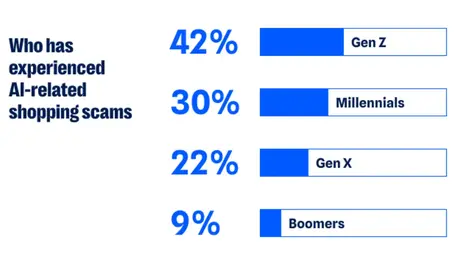
AI shopping scams hit 28% of consumers, Malwarebytes says
Holiday shoppers are increasingly exposed to harder-to-spot fraud, with 28% of consumers saying they have fallen for an AI-related scam in the past year.
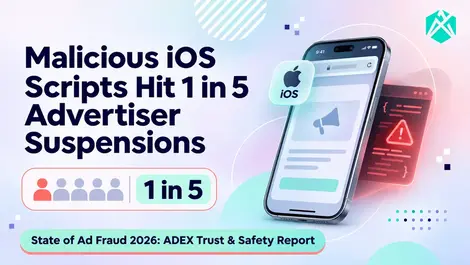
iPhone-targeted ad attacks drive one in five suspensions
Mobile ad platforms are seeing more selective attacks, with iPhone-specific malware behind about 20% of advertiser suspensions in 2026.

Rubrik warns ransomware recovery can take six weeks
Ransomware victims often need weeks to get back online, with Rubrik finding 28 per cent took more than six weeks to recover.

360 Privacy & Cyberwolf team up on executive protection
The tie-up offers executives and families one service to remove exposed data and secure personal devices as physical threats increasingly start online.

F-Secure launches Kiren to spot mobile scams & fraud
The free app checks links, messages and images to help consumers spot scams before they click, buy or share on mobile.

Menlo launches browser extension for security teams
As more staff use browser-based AI tools, the product aims to plug a blind spot in existing security stacks without forcing a browser swap.

Akamai brings Edge security to mobile devices with Microsoft
The deal could close a long-standing mobile security gap for businesses by adding browser-based threat and data controls to managed iPhones and Androids.

Google warns of LLMjacking spike hitting firms hard
Victims can rack up fraudulent cloud charges of more than USD $100,000 in a day as attackers hijack access to large language models.

Guardz adds Prisma Browser to MSP security platform
Small business MSPs can now tie browser events to email, identity and endpoint alerts, closing gaps as phishing and AI tool misuse rise.

Ocean lands Fortune Cyber 60 nod for email security
The nod signals investor confidence in tools that can spot AI-generated phishing before it reaches hundreds of thousands of employee mailboxes worldwide.

ReliaQuest warns of proxy-backed cyber attacks on logins
Residential proxies are letting impostors bypass location checks and move quickly through cloud systems before defenders can spot the breach.

Australia cyber attacks rise 39% as ransomware grows
Ransomware claims hit a record 1,063 victims in October, even as Australian organisations still faced 2,117 cyber attacks a week, up 39% year on year.

WatchGuard survey finds employees trust digital messages
Many workers still act on sensitive digital requests without checking the sender, raising the risk of AI-driven impersonation scams.

Web Hole attack targets AI agents via abandoned sites
AI agents could be tricked into harmful actions by search results pointing to expired domains that attackers can re-register and poison.
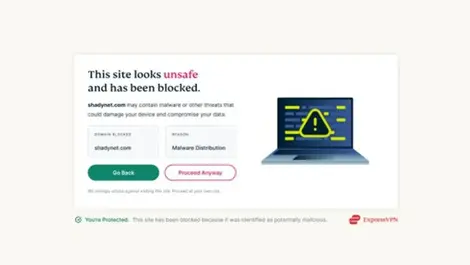
ExpressVPN adds browser web protection against scams
The browser add-on now blocks malicious and phishing pages in real time, even when subscribers are not connected to the VPN.

Lab 1 warns breach data now exposes thousands more firms
The findings show stolen files can reach far beyond the named victim, with the median breach now exposing data linked to 542 other organisations.

Candescent adds Memcyco to its banking marketplace
Banks and credit unions gain earlier warnings on phishing and account takeover as Candescent adds Memcyco to its marketplace.

Binance hack warns firms on compromised work laptops
Businesses should rethink laptop security after Binance said a work device may have opened the door to a USD $6.3 billion theft.

Keeper adds on-device AI phishing warnings to browser
The browser extension now flags look-alike login pages locally, helping users block credential theft before passwords are submitted.

Acronis warns awareness gap leaves users open to hacks
Basic cyber hygiene is still patchy, with 35% of people not backing up data regularly as phishing and AI-driven attacks keep rising.