

.webp)
SIOS Technology has launched LifeKeeper v10, a new version of its high availability and disaster recovery software that introduces a browser-based management console aimed at giving system administrators unified control across Linux and Windows environments.
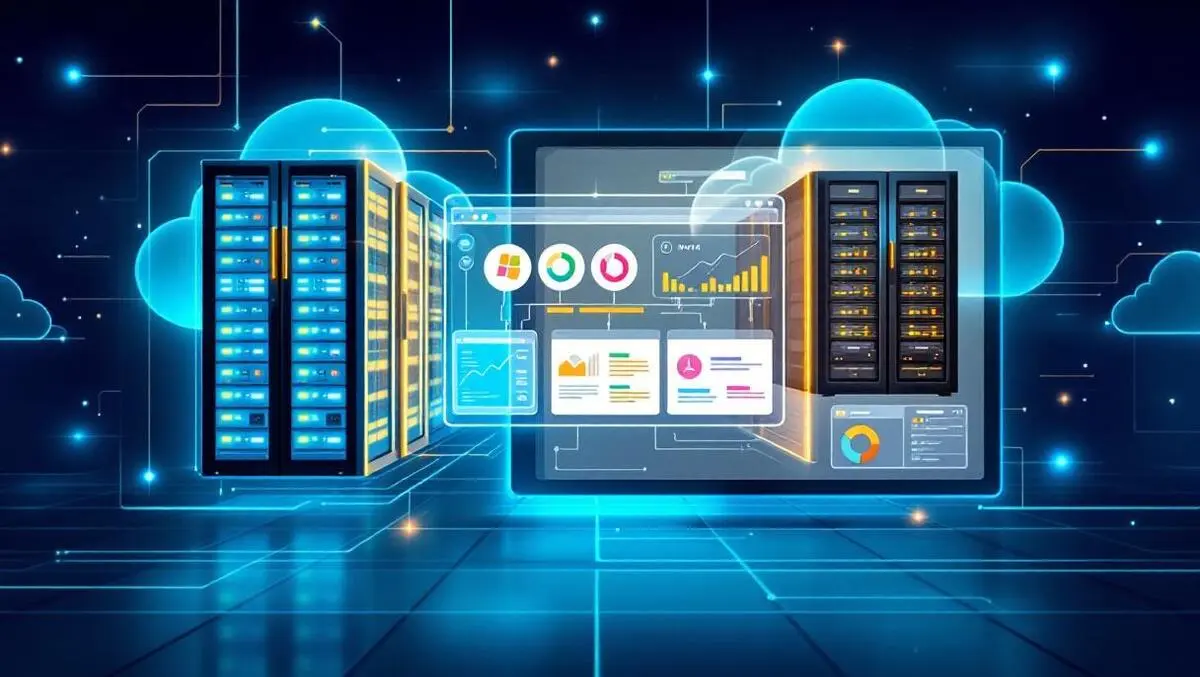
The release centres on the new LifeKeeper Web Management Console, which the company calls LKWMC. The console provides a single interface for configuring and monitoring clusters that protect mission-critical applications, and replaces the need for separate tools across different operating systems.
SIOS positions LifeKeeper as a software platform for clustering and disaster recovery in physical, virtual, cloud and hybrid environments. The new version reflects a broader push in the infrastructure software sector towards tools that target systems administrators directly and that emphasise operational simplicity over underlying technical complexity.
"This release marks a critical step in SIOS' strategy to empower IT administrators," said Masahiro Arai, COO, SIOS Technology. "Our focus is on how companies dramatically implement and manage HA/DR, making protection of mission-critical applications easier and more efficient than ever."
New web console
The LKWMC interface applies the same design and workflows across Windows and Linux. SIOS said this reduces the learning curve for teams that manage mixed operating system estates and managed service providers that maintain clusters for multiple customers.
The console includes built‑in tips and tools that guide administrators through configuration and integration tasks. It draws cluster information into a single view so that teams can see resource status, dependencies and failover states without switching between operating system‑specific consoles.
SIOS described the changes as a response to customers running business‑critical databases and line‑of‑business applications across varied infrastructure. Many of these customers use clustering for resilience and need a consistent operational model for high availability and disaster recovery.
Linux and RHEL focus
The release also updates SIOS' support for recent versions of Red Hat Enterprise Linux. The DRBD Application Recovery Kit for LifeKeeper now integrates with RHEL 9.6 and the upcoming RHEL 10 release. This extends three‑node and four‑node disaster recovery configurations to a wider range of Red Hat users.
LifeKeeper uses application‑aware recovery kits to monitor services and manage failover. The DRBD kit integrates with block‑level replication so that applications can restart on secondary nodes with current data in scenarios such as site failures or maintenance events.
DataKeeper, SIOS' data replication product for Linux, now supports RHEL 10 as well. The company said this allows organisations standardising on the next generation of Red Hat's distribution to use DataKeeper for synchronous or asynchronous replication between nodes as part of their high availability strategy.
These changes align LifeKeeper and DataKeeper with current enterprise Linux roadmaps. They also address the needs of customers that want continuity of clustering and replication as they upgrade operating systems.
Automation and scripting
LifeKeeper v10 adds native PowerShell support for building Generic Application Recovery Kits. This allows administrators and partners to script monitoring and failover logic for custom or less common applications using PowerShell syntax.
SIOS said this scripting support increases flexibility for organisations that run mixed Windows and Linux environments and that prefer a common automation language. It also fits with wider industry use of PowerShell for infrastructure as code and configuration management.
The installer in LifeKeeper v10 has also been redesigned. It presents all required components in a single screen. SIOS said this shortens initial deployment steps and reduces the risk that administrators overlook necessary modules during setup.
Pricing shift
Alongside the technical changes, SIOS has introduced a revised pricing structure for LifeKeeper v10. The software is priced by server node and is available under perpetual, subscription and cloud marketplace consumption options.
The company has also reorganised how features are bundled. It now offers what it describes as a single, simplified package that includes elements required for a clustering solution, rather than multiple separate add‑ons.
"Based on feedback from customers and partners, we recognized that purchasing clustering software can be complex," said Mr. Arai. "We've streamlined the entire process and added an unprecedented level of transparency that customers and channel partners truly appreciate."
SIOS said it will continue to expand the LifeKeeper Web Management Console and application recovery kits in future releases as customers roll out RHEL 10 and refine hybrid cloud disaster recovery strategies.