Defence stories
Indian enterprises will gain broader access to quantum-safe cybersecurity tools as the partnership aims to help them assess cryptographic risk before quantum threats grow.
Defence contractors could cut manual compliance work as the project aims to automate security checks across operational systems and sensitive networks.
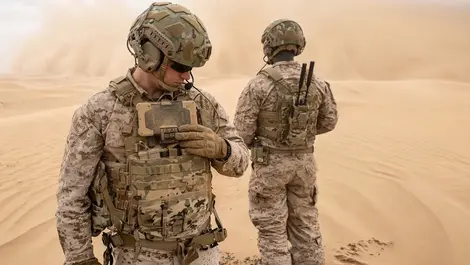
Defence personnel in Australia and New Zealand will get handheld devices that can run AI locally and withstand harsh field conditions from January 2027.
The larger vehicle will back riskier early-stage startups in energy, AI infrastructure and defence as Europe tries to close its funding gap.
The Pasco County site gives the cybersecurity and forensic analysis provider its first Florida base as it targets defence and law enforcement clients.
The new line aims to cut board-level security complexity for defence, infrastructure and fintech customers facing physical chip attacks.
Security teams can now automate blocking, access revocation and remediation across connected systems as Salt moves beyond alerts and tickets.
Europe must fix procurement and funding gaps if deep-tech is to become deployable defence capability, Balnord says.
A major outage at one strategic site could trigger £352 million in direct losses, underlining the need for tighter physical protection.
Paper-based workflows can slow deployments and leave public services exposed when cyber incidents or disasters disrupt digital systems.
Australian firms using AI coding agents can now spot software flaws earlier, as CommBank's CodeCheck is offered free to them.
Field crews in utilities, mining and emergency services get a larger-screen rugged option, with Australian pricing starting at AUD $8199.
The consultancy's credentials are likely to carry more weight with regulated UK customers weighing where AI systems and data can be hosted.
Even middle-income workers are feeling the squeeze, with prices about 30% higher than in 2021 leaving many short of cash before payday.
Experts said the Budget's cyber and AI cash could bolster defences, but warned that outages, governance gaps and power limits may blunt its impact.
As copper lines are retired, exposed voice devices on IP networks are becoming a bigger target for toll fraud, scanning and ransomware.
Defence and government teams will be able to share live operational updates across classified networks without switching terminals or relying on file transfers.
Startups will face tougher funding terms in 2027 as investors scrutinise revenue per employee and AI-driven efficiency more closely.
The award highlights growing demand for lighter, lower-power sensors as satellites face rising collision risks from more than 230 million debris fragments.
Employers can now test staff in risky scenarios through VR or web-based AI roleplay, with YORD saying results come faster and stick better.