


DeepL has selected VAST Data as the data platform for its artificial intelligence research and development environments as it expands its language AI work in written and real-time voice translation.
The deployment is intended to support the growing volume and variety of data DeepL's research teams use as its models become more complex. More than 200,000 business teams and millions of individuals use the platform, adding to the scale of workloads behind its translation products.
Training language models requires fast, reliable access to large datasets, while voice translation places heavier demands on systems than text-only applications. VAST will provide a single platform for file and object storage, aiming to simplify the underlying data environment and give researchers more consistent access to information.
DeepL also plans to extend the setup from its own data centres into cloud environments. This is intended to reduce the need to copy datasets manually between infrastructure locations, a process that can slow research and model development.
The company expects the new arrangement to improve use of the NVMe hardware it already operates. Based on current plans, it expects to get about three times the storage capacity from its existing hardware, allowing research teams to expand model development without adding the same level of physical infrastructure.
Migration from DeepL's existing environment will use VAST's SyncEngine technology. The aim is to move data onto the new platform while limiting disruption to research work.
Voice focus
The storage decision reflects a broader shift in DeepL's product development towards real-time voice translation. DeepL Voice was introduced in 2024, and recent advances have enabled the company to preserve characteristics of a speaker's voice across languages.
That work puts additional pressure on the systems used to store, access and move training data. DeepL said it is becoming increasingly important for researchers to move efficiently between training and production environments as voice products develop.
Stefan Andresen, Chief Scientist at DeepL, linked the infrastructure decision to the demands of new research areas.
"DeepL's researchers are constantly pushing Language AI into more demanding areas, and the infrastructure underneath them has to keep pace," said Andresen. "VAST gives us the performance and reliability we need while allowing us to make significantly more efficient use of the infrastructure we already operate. Just as importantly, it gives us a path to make data more easily accessible across our own data centres and, over time, cloud environments, reducing the manual data movement that can get in the way of research. That becomes particularly valuable as we continue investing in data-intensive areas such as DeepL Voice."
Infrastructure shift
For VAST, the deal highlights how AI infrastructure requirements are changing as systems move from research into live services. Organisations increasingly need storage systems that can handle different forms of AI work without repeatedly redesigning the underlying environment, the company said.
DeepL's use case spans both established written translation systems and newer live voice applications, which place different demands on data access and resilience. VAST said its platform is designed to support model development, training and inference across distributed environments through a common data layer.
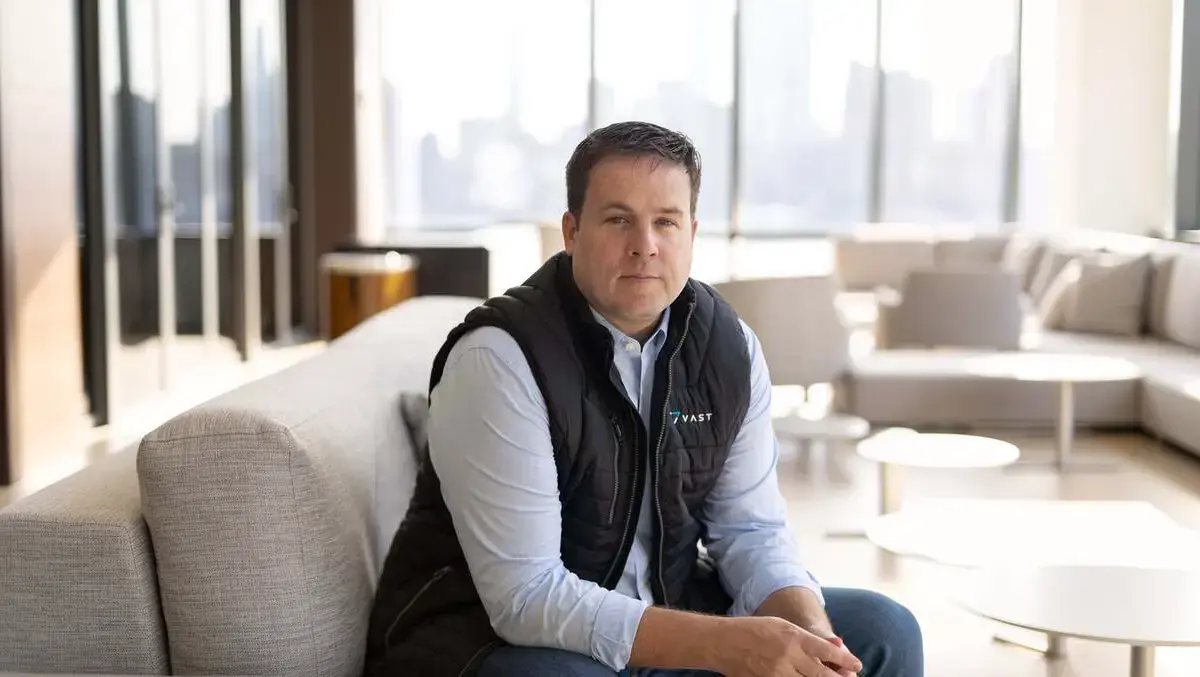
Jeff Denworth, Co-Founder at VAST Data, said the project shows the growing importance of dependable infrastructure in AI deployments.
"DeepL is a great example of how quickly the infrastructure requirements behind AI are changing," said Jeff Denworth, Co-Founder at VAST Data. "As AI moves into production, infrastructure reliability becomes just as important as raw performance. Written language, real-time voice and the next generation of AI experiences all place different demands on data, but researchers should not have to redesign the underlying infrastructure every time the model or product changes. VAST AI OS was built to deliver that reliability at AI scale, giving teams a foundation they can trust, and then getting out of their way. For DeepL, that means the freedom to keep building whatever comes next."
DeepL, founded in 2017, has more than 900 employees. It positions itself as a provider of language infrastructure for businesses operating across multiple markets and languages.