Digital Trust stories
Resilience, trust and local language support are emerging as the priorities as Indian founders and marketers push AI deeper into daily business needs.
Worries over cyberattacks, bias and weak data systems are driving calls for AI rules that protect trust, jobs and security.
Digital identity is helping APAC fintechs cut fraud, speed onboarding and expand access for millions of unbanked users across the region.
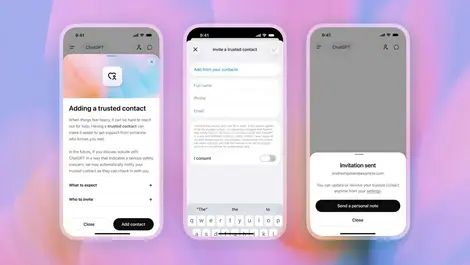
Adults using ChatGPT can now name a trusted contact, giving OpenAI a new way to alert someone in serious self-harm cases.
Digital confidence could be shaken if quantum computing breaks signatures and updates, exposing organisations to fraud, tampering and mistrust.
Enterprises could gain cryptographic checks for AI agents, models and media as DigiCert adds a trust layer across its platform.
Shoppers are being urged to scrutinise online sellers after search data showed a sharp rise in queries for bought credibility signals.
Security teams can now trace AI-led attacks before phishing begins, as Outtake targets lookalike domains, bot networks and fake accounts.
Growing concern over AI-made media is pushing firms towards cryptographic proof of origin as DigiCert adds a managed verification service.
Businesses face rising risks from unverified agents, tampered models and synthetic media as DigiCert adds cryptographic controls across its platform.
Singapore's limited land and rising AI power demand are pushing policymakers to rethink Jurong Island's role in digital infrastructure.
More consumers are losing larger sums to fraud as fake invoice and investment scams drive the biggest financial harm, F-Secure says.
The certifications bolster EY's appeal to clients handling sensitive data and regulated work as Singapore tightens digital trust standards.
Deloitte says NZ firms must redesign jobs and systems for the AI era as robotics, cyber risk and labour shortages reshape work.
Enterprise buyers may never reach the sales call if a security firm is absent from search results, because digital authority now shapes trust and deal flow.
Businesses are being urged to replace password-only logins as stolen credentials still feature in 22% of confirmed breaches.
A lack of visibility is leaving many European organisations unable to tell whether AI-powered attacks have already breached their systems.
Concern is growing over who controls AI decisions, even as 74% of UK consumers have used the technology in the past six months.
Australians are using AI heavily, but most still want clear labelling and sourcing before they trust its search and shopping advice.
Only 9% of complainants were satisfied as Australia’s privacy regulator said poor resolution is eroding public trust in data handlers.