Digital Sovereignty stories
Compact language models from the Spain-based firm aim to ease offline AI deployment for mobile, industrial and defence users.
Many firms still struggle to turn digital sovereignty aims into action, despite SUSE's new AI and infrastructure deals with NVIDIA and others.
Customers can keep existing workflows as web application and API protection moves inside Google Cloud, reducing latency and operational overhead.
The rollout aims to help businesses run autonomous AI agents more securely, while easing data, networking and sovereignty constraints.
Enterprises could gain tighter control over AI deployments as the new stack combines governance, security and on-premise data sovereignty.
Boards are being pressed to abandon periodic patching as AI models can now uncover and chain software flaws faster than human teams can respond.
Enterprises under pressure to control AI data and workloads now have an open alternative to single-cloud setups across cloud, on-premises and edge sites.
Public sector and critical infrastructure operators will gain more control over sensitive systems as Cisco broadens on-premises support across EMEA.
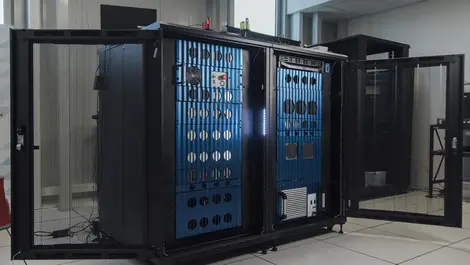
Asia-Pacific users can now test quantum workloads remotely on a 12-qubit photonic machine, billed by the second with no commitment.
Businesses in Canada can now test quantum algorithms on a 12-qubit photonic machine through OVHcloud’s pay-as-you-go platform.
The agreement should widen student pathways into cloud and cyber jobs as Australia’s demand for digital infrastructure and talent grows.
Sovereign AI demand is drawing major backing as the planned Cohere-Aleph Alpha tie-up targets governments and regulated industries.
Greater control over sensitive data could help UK organisations adopt AI faster, with BT’s new sovereign portfolio aimed at regulated workloads.
Rising AI demand is exposing grid bottlenecks, with curtailed renewable power pushing developers to site data centres nearer wind and solar farms.
The five-year deal will give Swedish researchers and smaller firms cloud-style access to AI infrastructure as demand for Mimer grows.
Many UK IT leaders say open source could reduce reliance on a single AI vendor, even as most lack robust governance for autonomous tools.
Only a third of Australian organisations have tested cyber recovery plans, leaving many exposed despite high confidence in detection and response.
The plan could deepen UK firms’ dependence on overseas AI providers unless ministers also spur wider enterprise adoption and infrastructure.
The hire signals Kinetic IT's push into sovereign digital services and AI as it seeks more government and critical infrastructure work.
Businesses and researchers can now trial photonic quantum hardware by the second, as OVHcloud widens its pay-as-you-go platform with a second machine.