Data sovereignty stories
Indian organisations get a local administrative data option as the Mumbai deployment keeps policies, logs and metadata inside the country.
Most respondents still trust consumer chat apps for sensitive work, despite widespread confusion over what encryption does not protect.
European firms can now keep password data in Amsterdam, easing GDPR worries as Passpack adds local-language support for six markets by May 2026.
Enterprises under pressure to control AI data and workloads now have an open alternative to single-cloud setups across cloud, on-premises and edge sites.
Cloud and AI demand is driving heavy investment in new facilities, with the global market forecast to more than triple by 2034.
Public sector and critical infrastructure operators will gain more control over sensitive systems as Cisco broadens on-premises support across EMEA.
Shorter attack windows are pushing cloud teams towards automated defence, as Sysdig says AI-driven threats now outpace manual response.
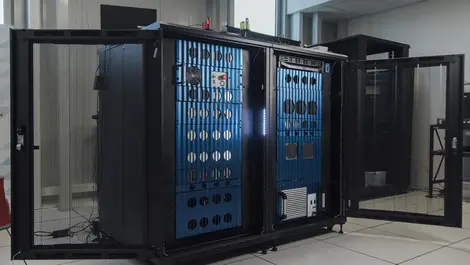
Asia-Pacific users can now test quantum workloads remotely on a 12-qubit photonic machine, billed by the second with no commitment.
The deal gives LogicMonitor wider reach in Australia and New Zealand as it seeks customers for observability tools without building large local teams.
Companies face tougher, more fragmented compliance as governments tie cyber rules to national security, AI use and digital sovereignty.
Government and defence users get faster failover and more automation as VQ Conference Manager 4.8 adds tighter controls for sensitive conferencing.
High electricity costs are pushing UK companies to place AI systems overseas, putting the country’s sovereignty ambitions under pressure.
Only a third of Australian organisations have tested cyber recovery plans, leaving many exposed despite high confidence in detection and response.
Local firms and agencies are using Microsoft’s AI and cloud tools to lift productivity, as the company’s NZ impact reaches NZ$9.4 billion in FY25.
The tie-up gives developers broader regional access to blockchain tools as cost, latency and compliance pressures reshape Web3 infrastructure choices.
The hire signals Kinetic IT's push into sovereign digital services and AI as it seeks more government and critical infrastructure work.
The grant lets the London startup train an air-gapped coding model on UK infrastructure, bolstering supply for defence and other sensitive sectors.
The new fund is intended to boost growth while giving the UK more control over data, chips and AI systems used by public services.
New governance rules could shape procurement and digital projects, as organisations are urged to protect Māori data as taonga.
Enterprises will be able to move data and run workloads privately between Oracle Cloud Infrastructure and AWS without using the public internet.