Computer vision stories
More than 60% of JioHotstar users now use voice to find content, as the streamer bets on AI to tame its 300,000-hour library.
The round values the sovereign AI start-up at USD $1.5 billion as it seeks funding for research and compute to expand across key sectors.
Stores are becoming a bigger tech battleground as retailers seek tighter links between operations, checkout and customer engagement.
Demand for industrial inspection robots is forcing ANYbotics to expand engineering capacity as it shifts from pilots to wider deployments.
Connected coolers are becoming a key source of real-world data, helping bottlers predict failures and dispatch repairs before sales are lost.
Pre-orders open in the United States, United Kingdom and France for Snap's standalone glasses, priced at USD $2,195 and due later this year.
Real-time tools are reshaping refereeing, TV coverage and coaching as leagues use AI to speed decisions and deepen fan engagement.
Retailers can now link shelf data to head-office action more quickly, as EasyPicky has split its offer into modular app and platform tools.
UK fashion brands facing thinner margins may gain faster design and production cycles as Fynd rolls out its AI system.
Most security teams still miss the value in their footage, as only incident-led reviews turn vast video archives into useful evidence.
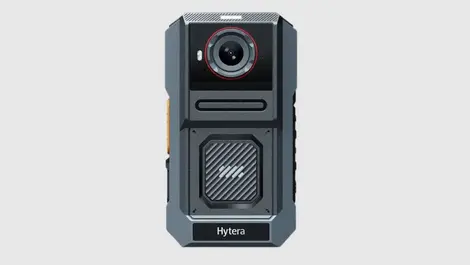
Frontline staff gain a device that merges recording and live communications, as Hytera targets public safety, retail and healthcare users.
Studios and advertisers gain finer scene control as Luma opens its AI video model to APIs, keyframes and post-production formats.
Robotic mower makers could cut installation complexity as the new range targets gardens from simple plots to estate-scale lawns.
Unsafe AI-generated clips could be stopped before playback under Ion's Australian patent filing, aimed at blocking deepfakes and other harmful video at source.
Data shortages and tighter privacy rules are pushing Australian organisations to train video AI with synthetic footage instead of real-world recordings.
The findings suggest Canberra should target funding where it has leverage, as the country ranks highly in just eight of 103 AI capabilities.
Growing fears over deepfakes have pushed Ion to seek Australian patent protection for a method that verifies video at the byte level.
Pooling data from Britain's grid operators could cut inspection costs and avert thousands of outages as demand for power infrastructure grows.
It could cut inspection costs and prevent outages as Britain's network operators pool data to train a single AI model for grid assets.
The new site will help Orbbec shorten delivery times and bolster supply resilience for overseas customers as demand for robotics hardware grows.








.webp)