Business Continuity stories
Most companies still lack confidence in their response as 73% of senior cyber security decision-makers say they are not ready for a major attack.
Executives are increasingly treating sovereignty as an operational risk, with 83% saying concerns have risen over the past year, Kyndryl said.
Businesses face a growing security gap as autonomous AI agents take actions inside corporate systems with far less human oversight.
Mismanaged cloud bills are draining budgets by 20-35%, with AI workloads adding fresh risk and hidden waste often going unchecked.
MSPs can cut manual work and billing errors as WatchGuard security events, device data and licences flow into HaloPSA.
IT teams can cut image sprawl and speed recovery by managing application containers inside Citrix Studio instead of rebuilding desktop images.
Machines now account for most cloud identities, leaving firms exposed to faster attacks, over-privileged access and AI-driven risks.
Fewer than half of firms have the safeguards to track staff AI use, even as 77% reported a cyber incident in the past year.
Businesses adopting agentic AI will get new governance and recovery tools as Commvault tries to reduce data risk and compliance worries.
AI tools are making more firms reassess SaaS, but Thoughtworks says legacy systems and enterprise risk will keep custom builds selective.
Rising fuel and energy bills are pushing British firms to replace routine site visits with digital twins to cut delays and costs.
Businesses with public-facing IP addresses are under constant threat as a new tracker shows 71,793 automated attack attempts in 24 hours.
SMEs are demanding clearer incident response as cyber attacks rise, boosting Talion’s case for a model built around decision-making over alerts.
Concern has surged among UK logistics firms as Middle East conflict raises the risk of supply chain delays and higher shipping costs.
Nearly 612,000 firms were hit last year, underscoring a gap in basic defences as phishing and ransomware drive growing losses.
Wider use of cloud, remote access and suppliers is leaving New Zealand organisations with harder-to-track cyber risk and weaker control.
Rising cloud and AI sovereignty risks are forcing firms to map data exposure and contingency plans as Kyndryl adds a readiness assessment.
Only 30% of New Zealand organisations have a cyber recovery plan, leaving customers and operations exposed if attacks cause prolonged outages.
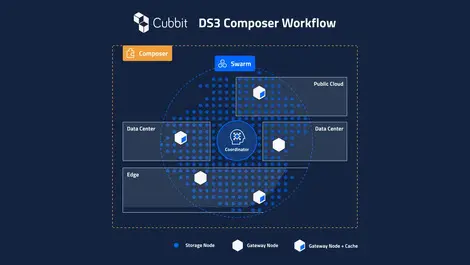
Italian universities will gain a shared, Italy-based storage system as GARR and Cubbit begin a 1 petabyte pilot to improve resilience and control.
Weak mobile systems are slowing frontline AI rollouts, with downtime, manual workarounds and connectivity gaps hitting Australian healthcare and logistics teams.