Business Continuity stories
Customers may see clearer safeguards as cyber security firms adopt AI, with NCC Group joining a charter setting standards for oversight and transparency.
Boards face growing pressure to treat AI-driven cyber threats as an immediate business risk, with attackers able to exploit flaws within months.
The chipmaker will shift more of its enterprise systems to a managed model as Infosys takes on applications, infrastructure and support.
The semiconductor maker will shift internal IT operations to a managed services model designed to cut incidents and improve employee support.
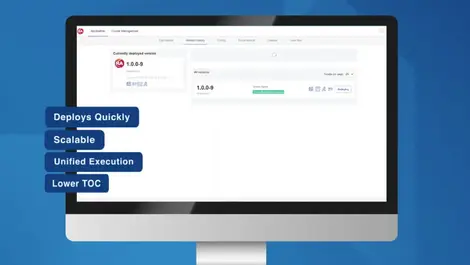
The software is designed to keep production running and cut integration complexity for manufacturers even if network links fail.
Retailers and venue operators get slimmer 4K screens that are 60% thinner than Philips' 4050Q, with availability due in late 2026.
Its expansion into 45 countries has given RETN added route diversity and resilience as operators seek alternatives to fragile subsea links.
Fans and businesses face a heightened fraud and disruption threat as the expanded tournament's wider digital footprint attracts attackers.
Cloud providers facing the end of VMware's CSP programme in 2027 can now tap migration tools and new pricing to protect margins.
Most executives lack visibility over AI suppliers and infrastructure, leaving core operations exposed to outages, compliance risks and vendor lock-in.
Enterprises running SAP may gain around-the-clock protection as the partners target ransomware, fraud and staffing gaps in ERP security.
Enterprises wrestling with AI workload failures and infrastructure bottlenecks may use the new tool to automate incident response and service assurance.
Most UK cybersecurity managers say rushed certification can undermine trust and leave controls weaker than ongoing monitoring would reveal.
The extension gives Rugby Australia two more years of protection against cyber threats as sporting bodies face rising risks to data and match-day systems.
The hire comes as the cyber risk company expands into third-party and supply chain defence, with attacks on connected networks growing more persistent.
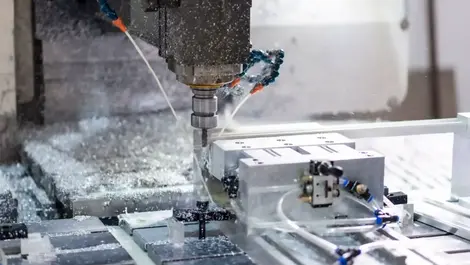
Longer lead times, freight volatility and quality failures are eroding offshore CNC machining savings for Australian manufacturers.
The strain's self-checking code and file-wiping routine could make recovery harder for victims while giving investigators a rare attribution clue.
Extra warehouse parts will help Smart CT meet demand from new contracts across government, health and retail customers in Europe and beyond.
The biggest gains from autonomous IT come from cleaner CMDBs and faster incident resolution, not new software, as firms join up existing tools.
Call handling has been centralised in Microsoft Teams, with NSWRL reporting a 17-second average wait after the switch.